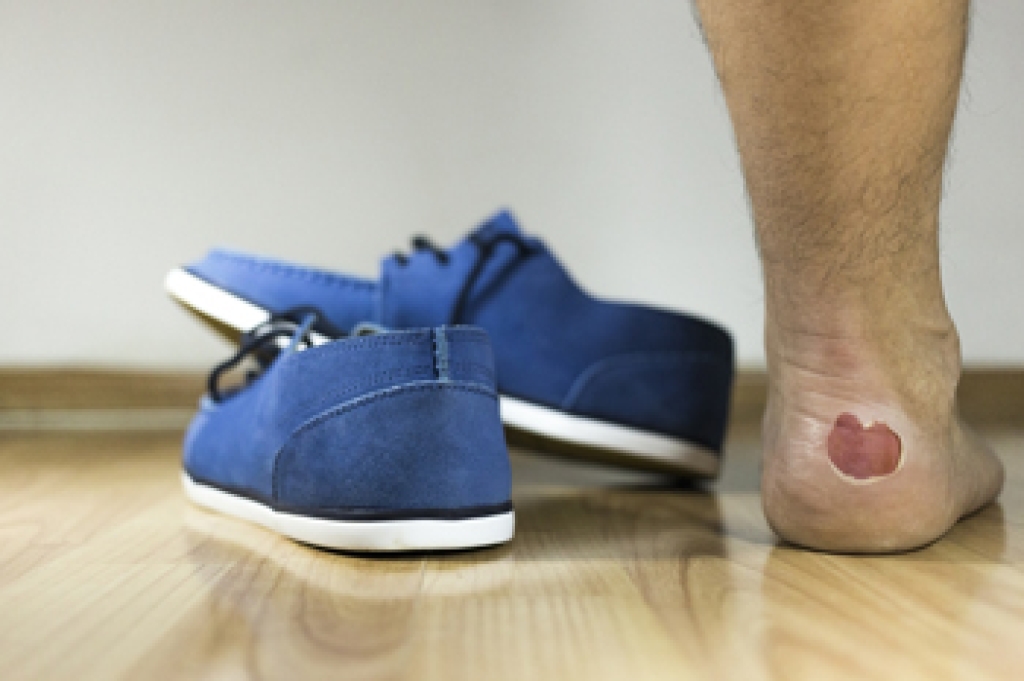
Several Reasons Why Blisters Can Develop

Many Americans walk thousands of steps per day and blisters on the feet can develop if the shoes that are worn do not fit properly. Blisters generally develop as a result of excess friction, and often resemble a bubble that forms on the skin. It is filled with liquid that protects the damaged skin, as a new layer of skin forms over it. Blisters can make it uncomfortable to walk, and many people wear a protective covering over it until it is healed. Most of the time, it will gradually drain, as the new skin replaces the damaged area. There can be other reasons why blisters may form. These may include having an allergic reaction, or they may develop from medical conditions consisting of eczema or psoriasis. Additionally, an injury such as frostbite or burns may lead to getting blisters. If the blisters become infected, and do not drain, it is suggested that you speak with a podiatrist who can help you to manage and treat blisters.

Blisters are prone to making everyday activities extremely uncomfortable. If your feet are hurting, contact Thi Pham, DPM of Foot Specialists of Tri-County. Our doctor can provide the care you need to keep you pain-free and on your feet.

Foot Blisters

Foot blisters develop as a result of constantly wearing tight or ill-fitting footwear. This happens due to the constant rubbing from the shoe, which can often lead to pain.

What Are Foot Blisters?

A foot blister is a small fluid-filled pocket that forms on the upper-most layer of the skin. Blisters are filled with clear fluid and can lead to blood drainage or pus if the area becomes infected.

How Do Blisters Form?

Blisters on the feet are often the result of constant friction of skin and material, usually by shoe rubbing. Walking in sandals, boots, or shoes that don’t fit properly for long periods of time can result in a blister. Having consistent foot moisture and humidity can easily lead to blister formation.

Prevention & Treatment

It is important to properly care for the affected area in order to prevent infection and ease the pain. Do not lance the blister and use a Band-Aid to provide pain relief. Also, be sure to keep your feet dry and wear proper fitting shoes. If you see blood or pus in a blister, seek assistance from a podiatrist.

If you have any questions, please feel free to contact our offices located in Sulphur Springs, Winnsboro, and Pittsburg, TX . We offer the newest diagnostic and treatment technologies for all your foot care needs.
Read more about Blisters on the Feet

Dealing With Cracked Heels

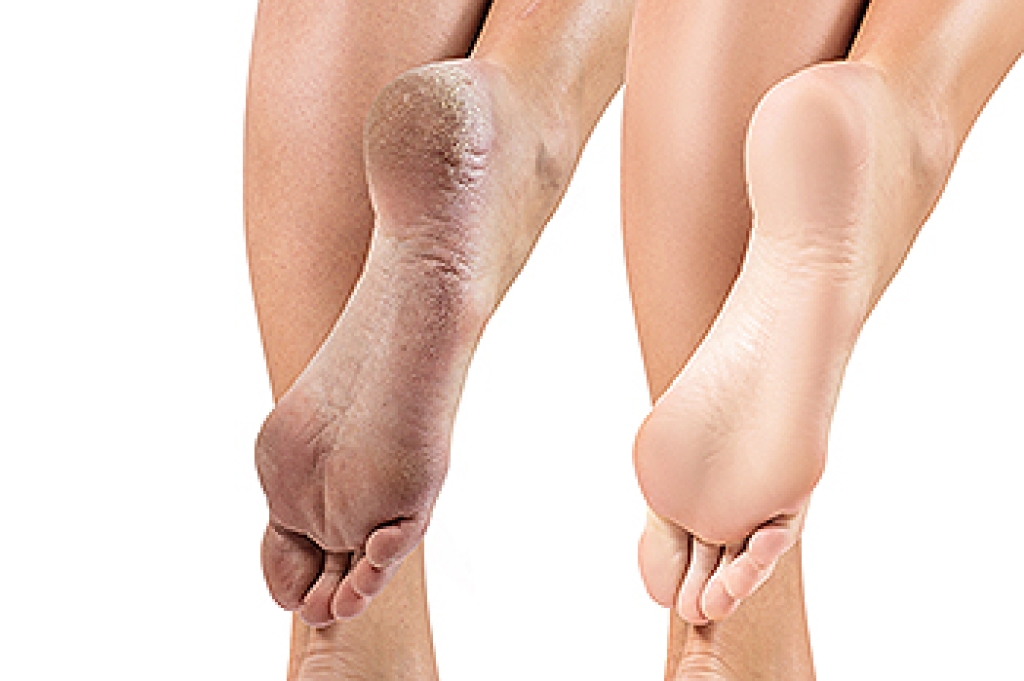
Cracked heels are dry, thick skin that forms on the heels of the feet. It is an unsightly look and can be uncomfortable. Cracked heels or calluses can develop when the fat pad under the heels of your feet expands while walking. This condition can also result from standing for prolonged periods of time, walking barefoot, taking hot showers, using products that strip the skin of its natural oils, or from severe weather conditions. One can try moisturizing home remedies, such as a honey and water scrub or olive oil or petroleum jelly gently massaged into the feet. If the problem persists or worsens, an appointment with a podiatrist should be made to be evaluated and to receive the appropriate treatment.


If the skin on your feet starts to crack, you may want to see a podiatrist to find treatment. If you have any concerns, contact Thi Pham, DPM from Foot Specialists of Tri-County. Our doctor can provide the care you need to keep you pain-free and on your feet.

Cracked Heels

It is important to moisturize your cracked heels in order to prevent pain, bleeding, and infection. The reason cracked heels form is because the skin on the foot is too dry to support the immense pressure placed on them. When the foot expands, the dry skin on the foot begins to split.

Ways to Help Heal Them

  • Invest in a good foot cream
  • Try Using Petroleum Jelly
  • Ease up on Soaps
  • Drink Plenty of Water

Ways to Prevent Cracked Heels

  • Moisturize After Showering
  • Skip a Shower
  • Keep Shower Water Lukewarm
  • Don’t Scrub Your Feet

If you are unsure how to proceed in treating cracked heels, seek guidance from a podiatrist. Your doctor will help you with any questions or information you may need. 

If you have any questions, please feel free to contact our offices located in Sulphur Springs, Winnsboro, and Pittsburg, TX . We offer the newest diagnostic and treatment technologies for all your foot care needs.
Read more about Solutions for Cracked Heels

Is My Toe Broken?

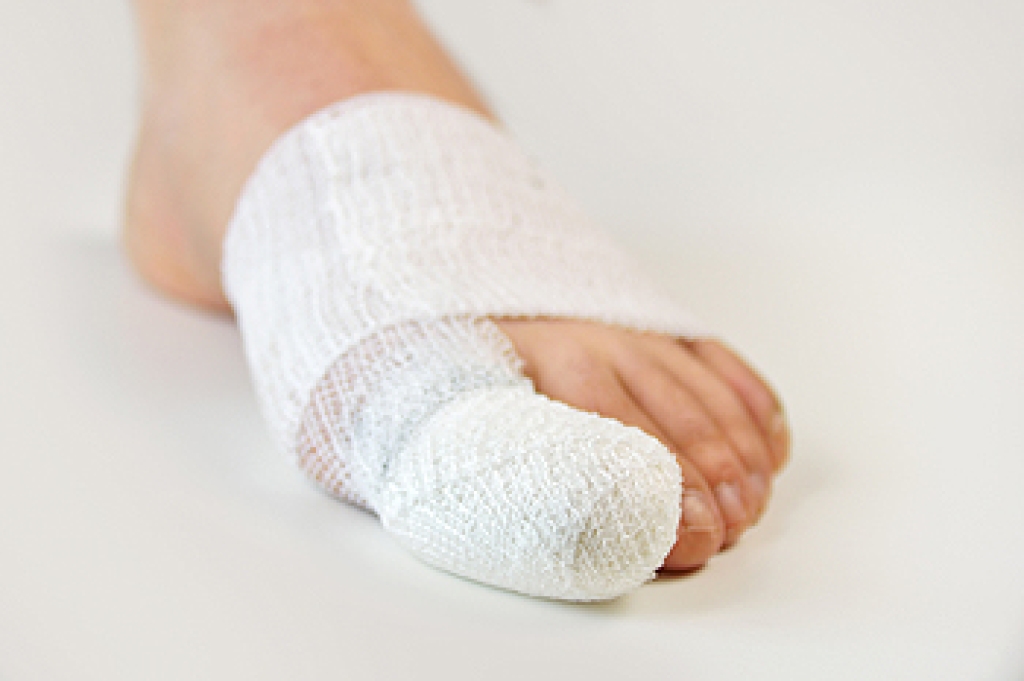
You may have broken your toe if you dropped a heavy object on it or hit it on a piece of furniture and it hurts – sometimes so bad you cannot move the toe. This can also happen if you play sports and injure your toe. Most of the time if you break a toe, it should be taped to the toe next to it and you should stay off the foot as much as possible until it feels better. This is not the case if the broken bone protrudes from the skin, more than one toe is affected, or you think you broke your big toe - as more treatment is necessary. Broken toes at the end of the foot, such as the pinkie or big toe, tend to be more painful because more pressure is put on them when walking and they are more likely to swell. As blood and liquid collect at the site of the broken toe it will start looking bruised, it may appear deformed like it is no longer lining up with other toes, and/or it can feel weak. It is very important to seek the counsel of a podiatrist if you suspect you have a broken toe. As mentioned, certain situations are worse than others so it is suggested that a podiatrist take an X-ray for a proper diagnosis, and then a corresponding treatment plan can begin.

A broken toe can be very painful and lead to complications if not properly fixed. If you have any concerns about your feet, contact Thi Pham, DPM from Foot Specialists of Tri-County. Our doctor will treat your foot and ankle needs.

What to Know About a Broken Toe

Although most people try to avoid foot trauma such as banging, stubbing, or dropping heavy objects on their feet, the unfortunate fact is that it is a common occurrence. Given the fact that toes are positioned in front of the feet, they typically sustain the brunt of such trauma. When trauma occurs to a toe, the result can be a painful break (fracture).

Symptoms of a Broken Toe

  • Throbbing pain
  • Swelling
  • Bruising on the skin and toenail
  • The inability to move the toe
  • Toe appears crooked or disfigured
  • Tingling or numbness in the toe

Generally, it is best to stay off of the injured toe with the affected foot elevated.

Severe toe fractures may be treated with a splint, cast, and in some cases, minor surgery. Due to its position and the pressure it endures with daily activity, future complications can occur if the big toe is not properly treated.

If you have any questions, please feel free to contact our offices located in Sulphur Springs, Winnsboro, and Pittsburg, TX . We offer the newest diagnostic and treatment technologies for all your foot care needs.

Read more about What to Know About a Broken Toe

Foot Care For the Elderly Is Important

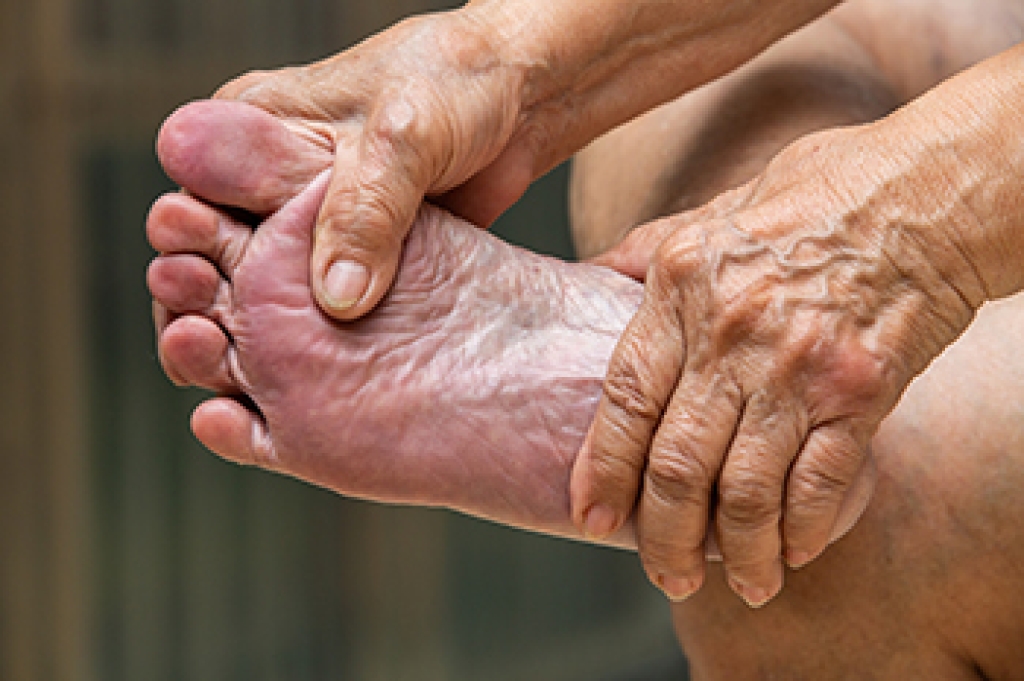
The importance of practicing proper foot care during the aging process is a key factor in maintaining overall health. There are simple methods to implement that can help the feet to feel good and stay healthy, including washing them daily, trimming the toenails properly, and using a good moisturizer. It can help to get routine foot massages, as these can be beneficial in promoting good circulation. Additionally, research has shown circulation is improved when the feet are frequently elevated. If there is noticeable foot pain, it is imperative the condition is identified as quickly as possible, so proper treatment can begin. When shoes fit correctly, uncomfortable foot conditions, including bunions, blisters, and hammertoes, may be prevented. If you would like more information about how to care for elderly feet, please speak with a podiatrist.

Proper foot care is something many older adults forget to consider. If you have any concerns about your feet and ankles, contact Thi Pham, DPM from Foot Specialists of Tri-County. Our doctor can provide the care you need to keep you pain-free and on your feet.

The Elderly and Their Feet

As we age we start to notice many changes in our body, but the elder population may not notice them right away. Medical conditions may prevent the elderly to take notice of their foot health right away. Poor vision is a lead contributor to not taking action for the elderly.

Common Conditions 

  • Neuropathy – can reduce feeling in the feet and can hide many life-threatening medical conditions.
  • Reduced flexibility – prevents the ability of proper toenail trimming, and foot cleaning. If left untreated, it may lead to further medical issues.
  • Foot sores – amongst the older population can be serious before they are discovered. Some of the problematic conditions they may face are:
  • Gouging toenails affecting nearby toe
  • Shoes that don’t fit properly
  • Pressure sores
  • Loss of circulation in legs & feet
  • Edema & swelling of feet and ankles

Susceptible Infections

Diabetes and poor circulation can cause general loss of sensitivity over the years, turning a simple cut into a serious issue.

If you have any questions, please feel free to contact our offices located in Sulphur Springs, Winnsboro, and Pittsburg, TX . We offer the newest diagnostic and treatment technologies for all your foot care needs.

Read more about Elderly and their Feet

Get Professional Care for a Broken Foot or Ankle

Constant care and regular evaluation are important for a foot or ankle fracture. If left untreated, foot or ankle fractures can worsen over time and create more serious problems.

Don't wait to be examined if you believe you've experienced a foot or ankle fracture.

Connect With Us