
Suffering from this type of pain? You may have the foot condition known as Morton's neuroma. Morton's neuroma may develop as a result of ill-fitting footwear and existing foot deformities. We can help.
Suffering from this type of pain? You may have the foot condition known as Morton's neuroma. Morton's neuroma may develop as a result of ill-fitting footwear and existing foot deformities. We can help.

When shopping for running shoes, it can be quite easy for an individual to become overwhelmed by all of the different styles and potential options. It can therefore be helpful for an individual to be familiar with and well-versed in the different technical terms for elements of a running shoe. One important part of a running shoe is known as the tongue of the shoe. This part of the shoe serves several important functions. For example, the tongue essentially protects the upper part of the foot from the laces. The tongue typically runs to the toe area. There are two different types of tongues in running shoes. First, gusseted tongues connect to both sides of the foot. By contrast, a burrito tongue only connects to one side of the foot. If you are someone that is looking to purchase a good pair of running shoes, it is highly recommended that you contact a podiatrist who can help you meet all of your running shoe needs.
If you are a runner, wearing the right running shoe is essential. For more information, contact Thi Pham, DPM from Foot Specialists of Tri-County. Our doctor can provide the care you need to keep you pain-free and on your feet.
Choosing the Right Running Shoe for Your Foot Type
To increase performance and avoid the risk of injury, it is important to choose the right running shoe based on your foot type. The general design of running shoes revolves around pronation, which is how the ankle rolls from outside to inside when the foot strikes the ground.
If you have any questions, please feel free to contact our offices located in Sulphur Springs, Winnsboro, and Pittsburg, TX . We offer the newest diagnostic and treatment technologies for all your foot care needs.

Many individuals all across the world choose to run regularly, either as a way to exercise or as a recreational activity. The biomechanics that are at play when an individual is engaged in running are significantly complex. For example, many different bones and muscles are working during a run to accomplish different objectives. One interesting aspect of foot biomechanics during running is that an individual might benefit if they use their feet to push down into the ground during a run. Although many runners might intuitively think they should use their feet to strike the ground and push off of the ground, a runner could potentially benefit from pushing down into the ground. This is because your body will require less energy to produce force and the manner in which your foot hits the ground could decrease one’s chance of injury. If you are someone that enjoys running, it is suggested that you contact a podiatrist to schedule an appointment.
If you have any concerns about your feet, contact Thi Pham, DPM from Foot Specialists of Tri-County. Our doctor can provide the care you need to keep you pain-free and on your feet.
Biomechanics in Podiatry
Podiatric biomechanics is a particular sector of specialty podiatry with licensed practitioners who are trained to diagnose and treat conditions affecting the foot, ankle and lower leg. Biomechanics deals with the forces that act against the body, causing an interference with the biological structures. It focuses on the movement of the ankle, the foot and the forces that interact with them.
A History of Biomechanics
Modern technological improvements are based on past theories and therapeutic processes that provide a better understanding of podiatric concepts for biomechanics. Computers can provide accurate information about the forces and patterns of the feet and lower legs.
Understanding biomechanics of the feet can help improve and eliminate pain, stopping further stress to the foot.
If you have any questions please feel free to contact our offices located in Sulphur Springs, Winnsboro, and Pittsburg, TX . We offer the newest diagnostic and treatment technologies for all your foot and ankle needs.
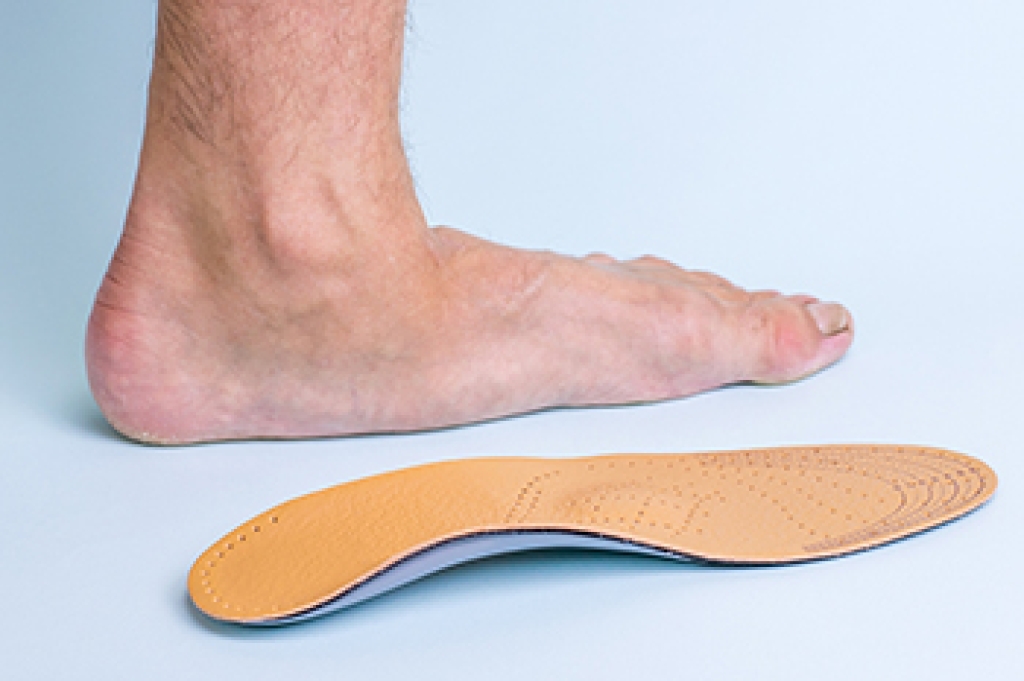
Plantar fasciitis is perhaps one of the most common conditions of the foot in which the band of tissue along the arch of the foot becomes inflamed. Heel pain can result from this inflammation. Many individuals will often want to treat their plantar fasciitis with the application of orthotics. Orthotics are shoe inserts that can treat conditions and/or correct deformities in the feet. Orthotics that treat plantar fasciitis can come in two different types. Namely, there are both hard and soft orthotics for plantar fasciitis. The soft orthotics used for plantar fasciitis arguably have more adjustability, and they also have softer padding. Hard orthotics for plantar fasciitis, on the other hand, are certainly more durable than soft orthotics. If you are someone that struggles with plantar fasciitis, it is suggested that you contact a podiatrist today for more information and possible treatment.
If you are having discomfort in your feet and would like to try orthotics, contact Thi Pham, DPM from Foot Specialists of Tri-County. Our doctor can provide the care you need to keep you pain-free and on your feet.
What Are Orthotics?
Orthotics are inserts you can place into your shoes to help with a variety of foot problems such as flat feet or foot pain. Orthotics provide relief and comfort for minor foot and heel pain but can’t correct serious biomechanical problems in your feet.
Over-the-Counter Inserts
Orthotics come in a wide variety of over-the-counter inserts that are used to treat foot pain, heel pain, and minor problems. For example, arch supports can be inserted into your shoes to help correct overarched or flat feet, while gel insoles are often used because they provide comfort and relief from foot and heel pain by alleviating pressure.
Prescription Orthotics
If over-the-counter inserts don’t work for you or if you have a more severe foot concern, it is possible to have your podiatrist prescribe custom orthotics. These high-quality inserts are designed to treat problems such as abnormal motion, plantar fasciitis, and severe forms of heel pain. They can even be used to help patients suffering from diabetes by treating foot ulcers and painful calluses and are usually molded to your feet individually, which allows them to provide full support and comfort.
If you are experiencing minor to severe foot or heel pain, it’s recommended to speak with your podiatrist about the possibilities of using orthotics. A podiatrist can determine which type of orthotic is right for you and allow you to take the first steps towards being pain-free.
If you have any questions, please feel free to contact our offices located in Sulphur Springs, Winnsboro, and Pittsburg, TX . We offer the newest diagnostic and treatment technologies for all your foot care needs.
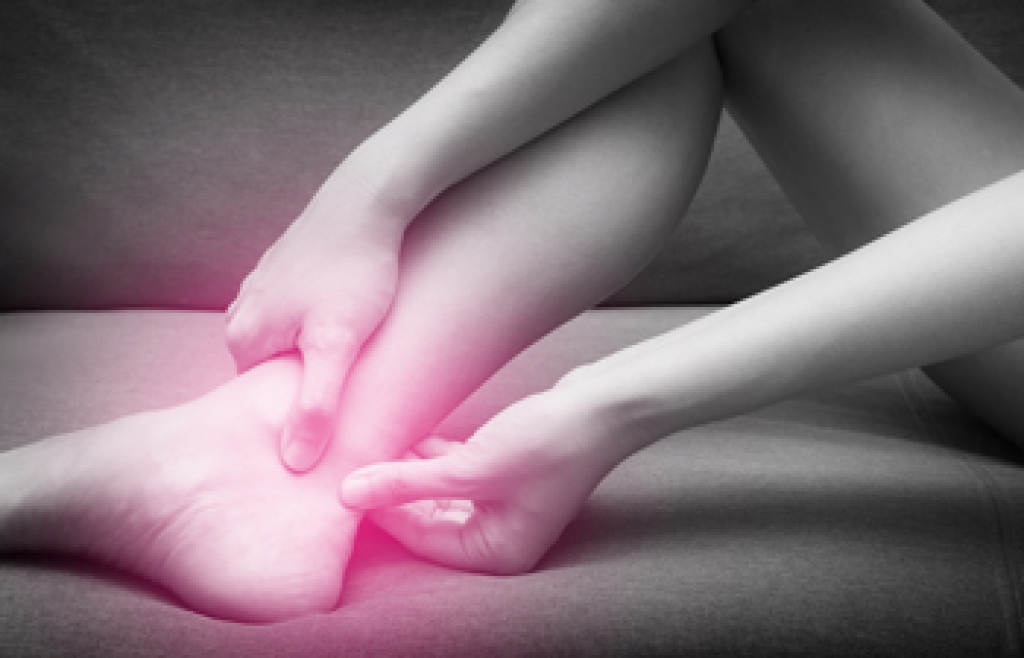
The Achilles tendon connects the muscles in the calf and lower leg to the heel bone. Like all tendons, this tendon is strong but not particularly flexible. If it is overstretched, it can become inflamed, which is tendonitis, or torn, and this is known as a rupture. When not taken care of, a condition called tendinosis can develop and chronic issues with the Achilles tendon will result. Achilles tendon injuries can cause mild to severe pain, burning, and stiffness in the Achilles tendon area or heel. These types of injuries are more common among athletes, especially runners, and those who play sports that require multiple starts, stops, and sudden changes of direction. Other groups of people who can be prone to getting Achilles tendon injuries are those who do not warm up prior to exercising, or those who increase the amount or intensity of their workouts suddenly. Additionally, patients who are obese, and those with prior health conditions, such as psoriasis or high blood pressure, may also be susceptible to incurring this type of injury. A rupture is a rare and serious Achilles tendon injury, and walking will usually be unbearable. If you have sustained an injury to your Achilles tendon, it is suggested that you see a podiatrist who can begin treatment as soon as possible, which may help to avoid further complications.
Achilles tendon injuries need immediate attention to avoid future complications. If you have any concerns, contact Thi Pham, DPM of Foot Specialists of Tri-County. Our doctor can provide the care you need to keep you pain-free and on your feet.
What Is the Achilles Tendon?
The Achilles tendon is a tendon that connects the lower leg muscles and calf to the heel of the foot. It is the strongest tendon in the human body and is essential for making movement possible. Because this tendon is such an integral part of the body, any injuries to it can create immense difficulties and should immediately be presented to a doctor.
What Are the Symptoms of an Achilles Tendon Injury?
There are various types of injuries that can affect the Achilles tendon. The two most common injuries are Achilles tendinitis and ruptures of the tendon.
Achilles Tendinitis Symptoms
Rupture Symptoms
Treatment and Prevention
Achilles tendon injuries are diagnosed by a thorough physical evaluation, which can include an MRI. Treatment involves rest, physical therapy, and in some cases, surgery. However, various preventative measures can be taken to avoid these injuries, such as:
If you have any questions please feel free to contact our offices located in Sulphur Springs, Winnsboro, and Pittsburg, TX . We offer the newest diagnostic tools and technology to treat your foot and ankle needs.
Connect With Us
